AMANO is a Contemporary Spanish Crafts consultancy.
AMANO is a Contemporary Spanish Crafts consultancy firm created in 2012.
Macarena Navarro-Reverter is a journalist, art historian, and specialist in contemporary crafts. For over a decade, she has researched and promoted projects that position crafts as a driver of innovation, cultural identity, and economic development. As the founder of AMANO, she has visited hundreds of workshops throughout Spain, fostering collaboration between crafts and sectors such as design and gastronomy. Her work combines research, strategic consulting, and the creation of alliances between artisans, institutions, companies, and international brands, acting as a bridge between Spanish artisan talent and new markets. She is the author of publications such as *España a mano. Guía de talleres artesanos* (Spain by Hand: A Guide to Artisan Workshops); *Madrid. Diseño y manualidades en la ciudad* (Madrid: Design and Crafts in the City); *España. Un viaje gastronómico a través de su manualidades* (Spain: A Gastronomic Journey Through Its Crafts); *Sevilla. Artesanía y diseño* (Seville: Crafts and Design); and *Artesanía no Prato* (Crafts in Prato). She has also curated several exhibitions dedicated to contemporary Spanish crafts, both in Spain and abroad. Furthermore, she is part of the founding team and executive committee of the Alliance for Wool, an initiative for the recovery and enhancement of Spanish wool as cultural heritage and a strategic resource for the future of the sector.
Her career is guided by a single conviction: crafts are not only a legacy to preserve, but also a tool for building innovation, excellence, and new opportunities for the future.
The essence of luxury can be found in handmade objects.
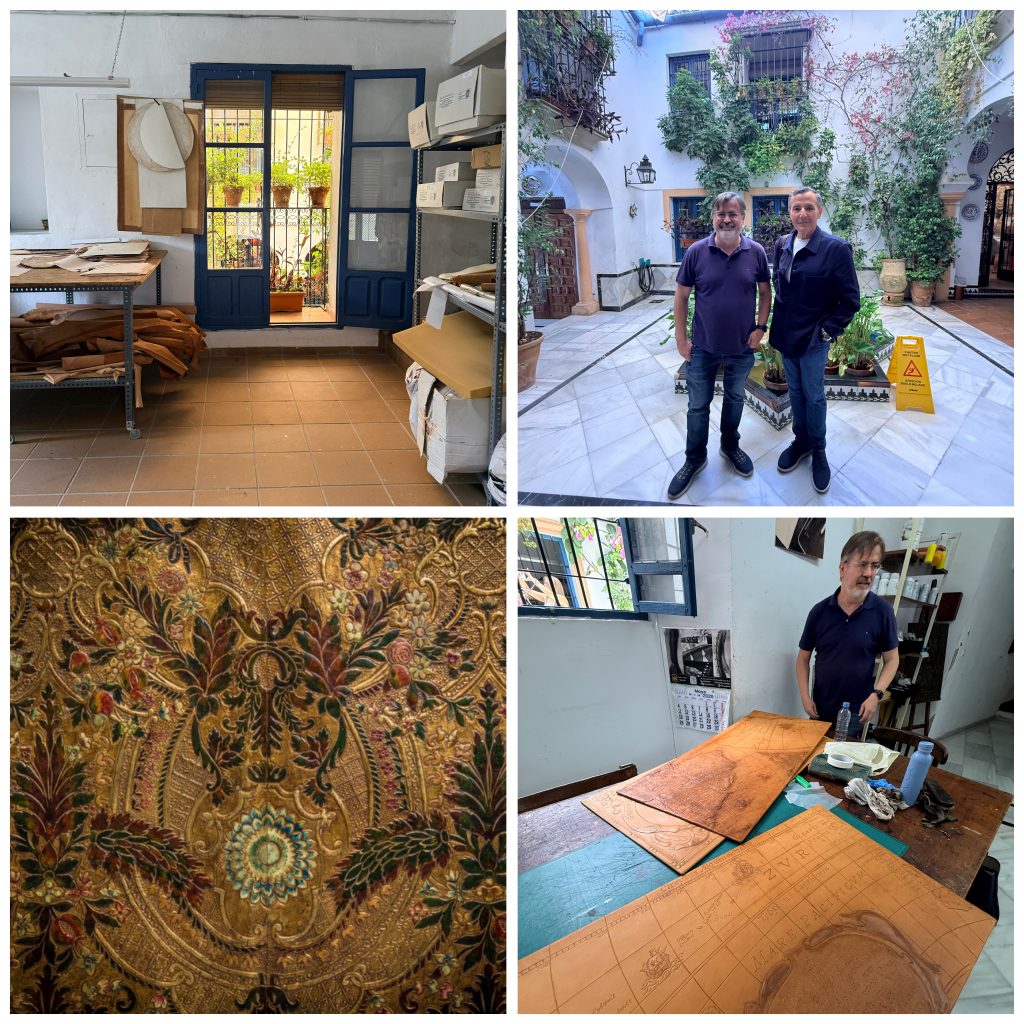
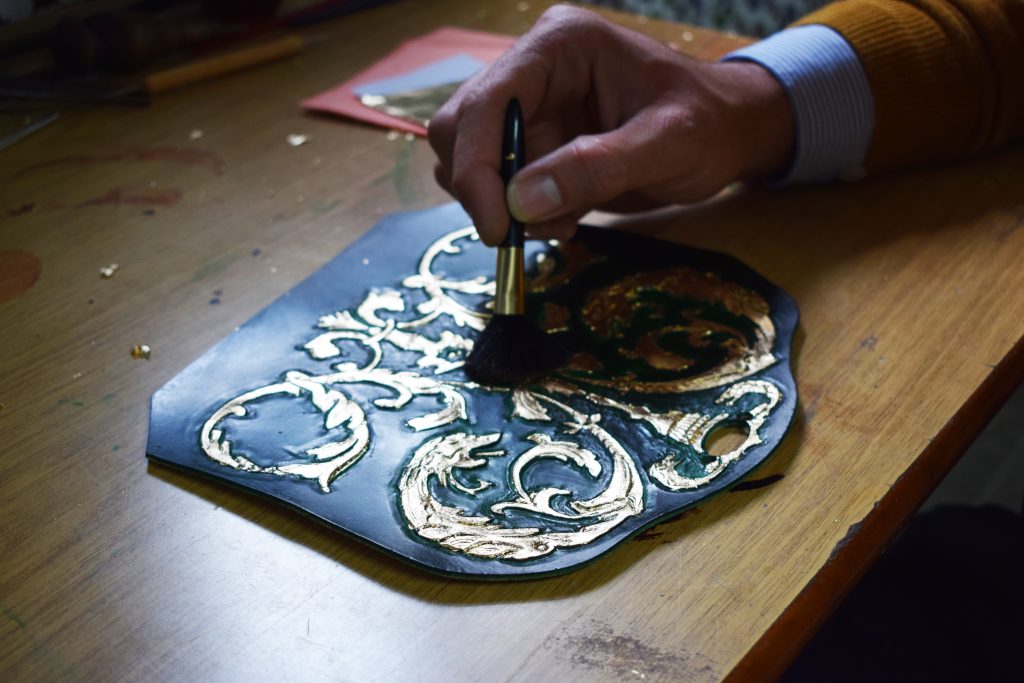
Several years ago, in the midst of the economic crisis, I posed myself the challenge of contributing to disseminating Spain’s best crafts. These crafts are a far cry from clichés and instead inspire the top designers. They harbour the wisdom of diverse civilisations and awaken memories and emotions. After lengthy investigation and travelling hundreds of kilometres, I came to understand the importance of preserving these crafts, of carving out a place of honour for craftspeople within the universe of design, given that the essence of luxury can be found in handmade objects.
Artisans, designers, small and medium-sized enterprises—some of them created recently, others centuries-old—share the same mission of conserving tradition without sacrificing the avant-garde.
The commitment to quality of handcraftsmanship
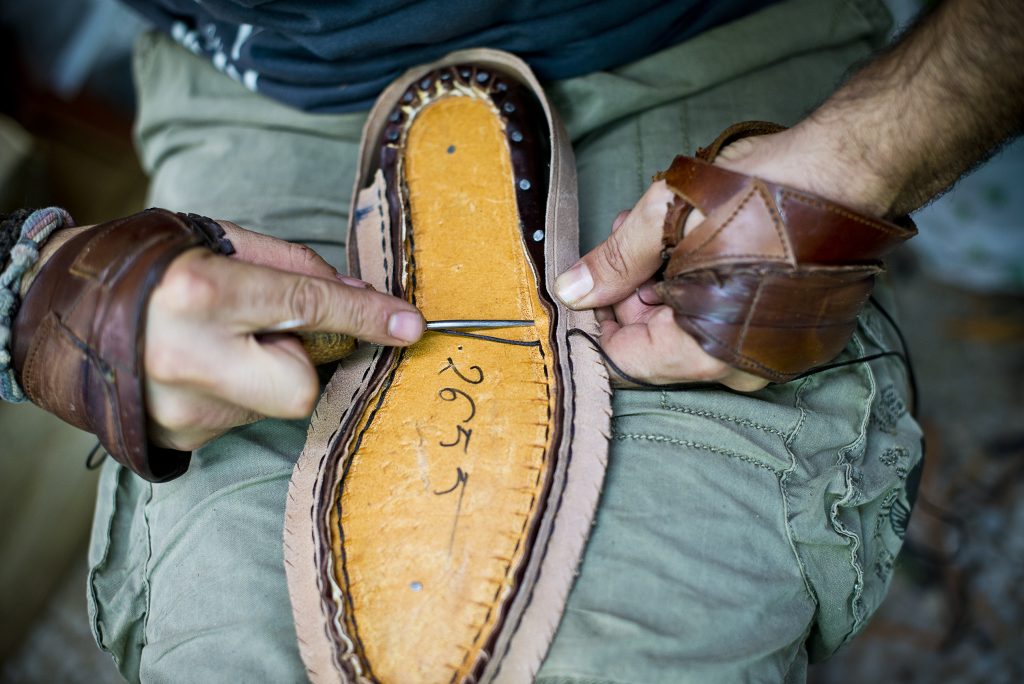
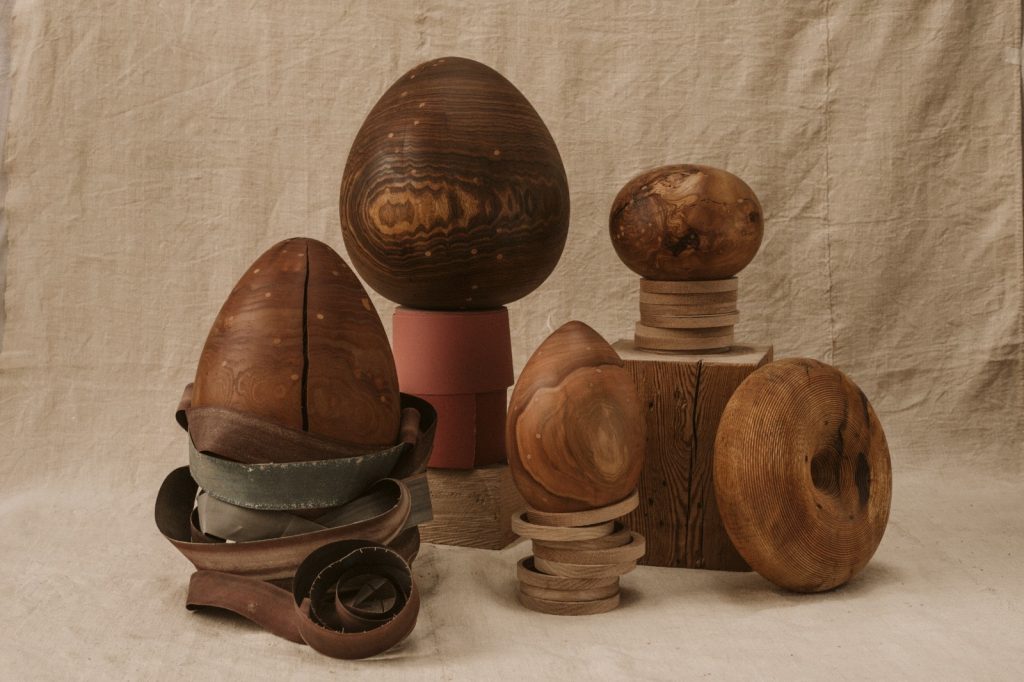
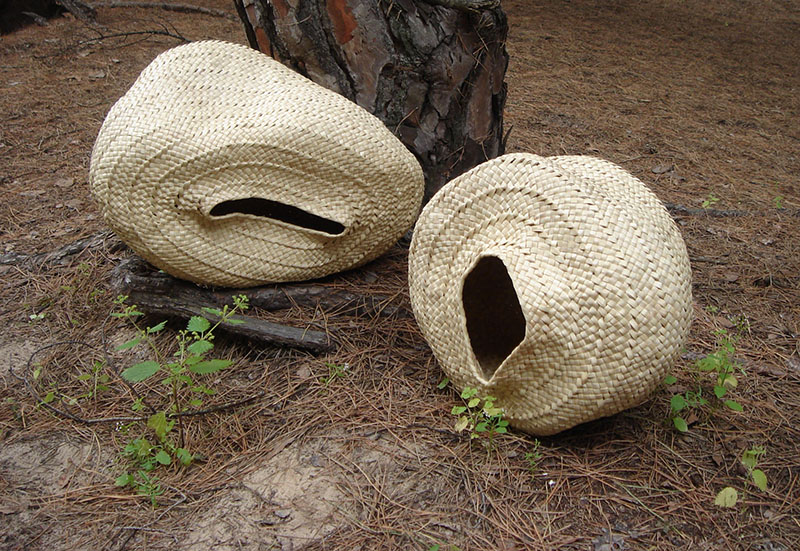
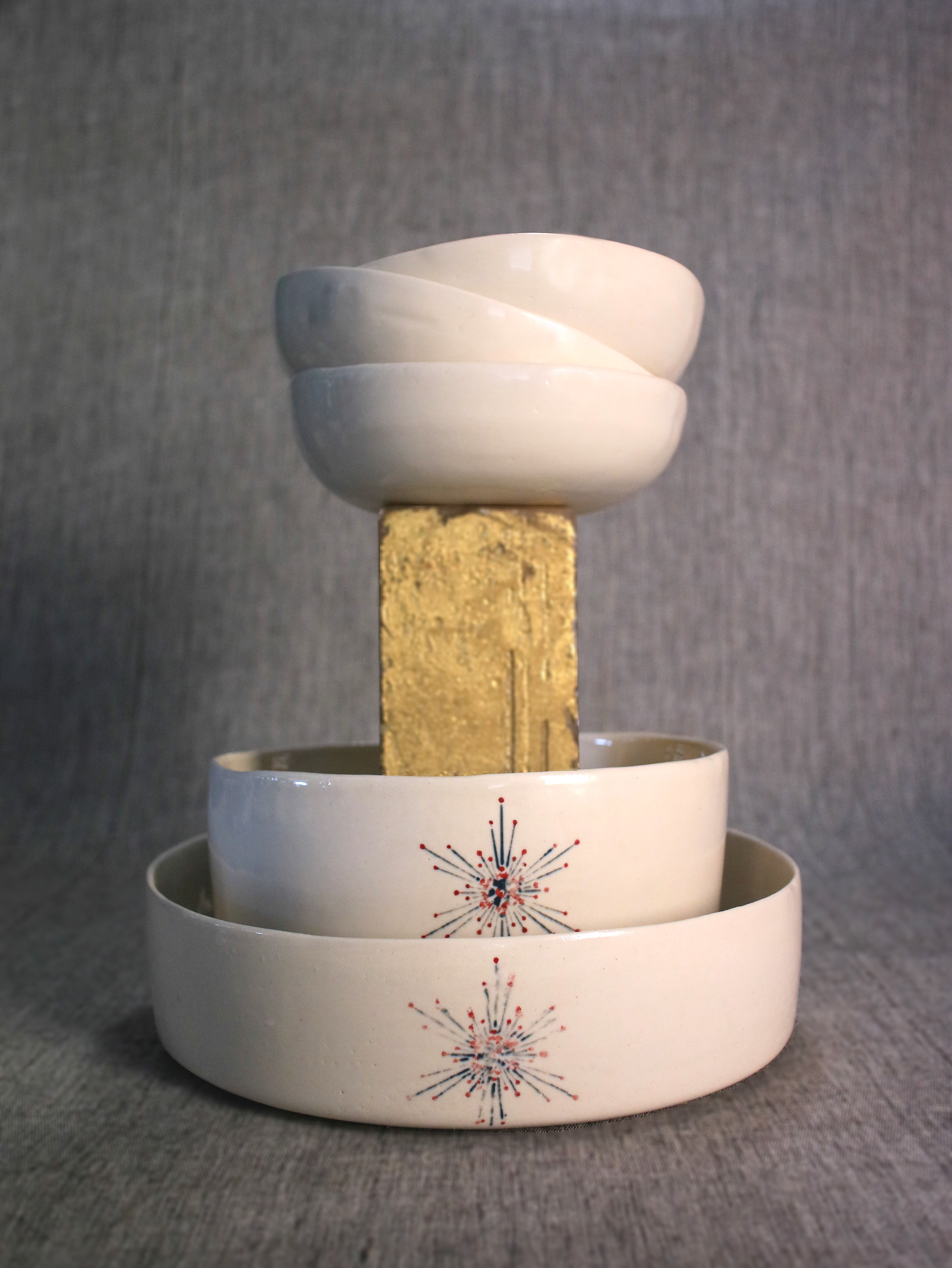
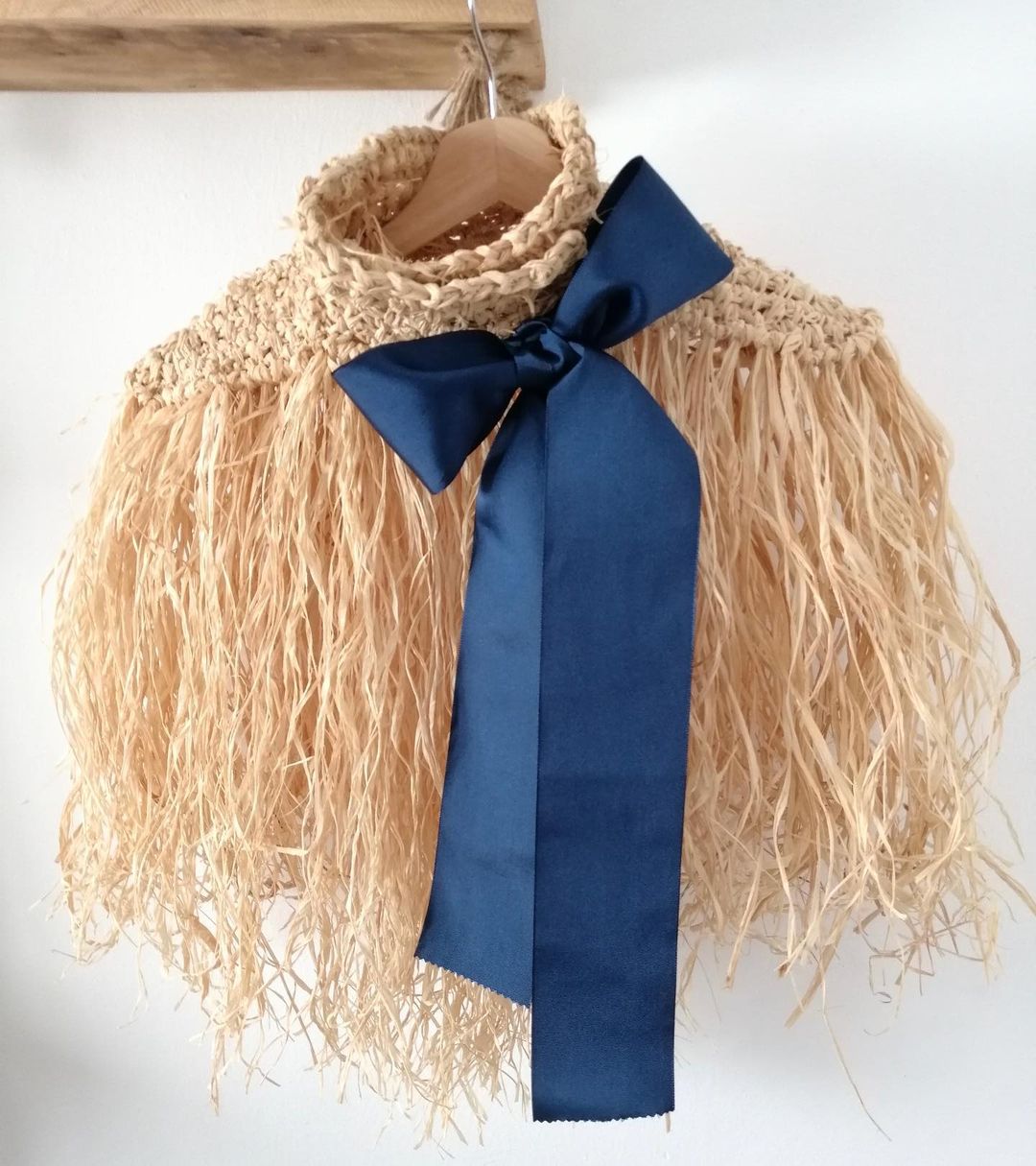
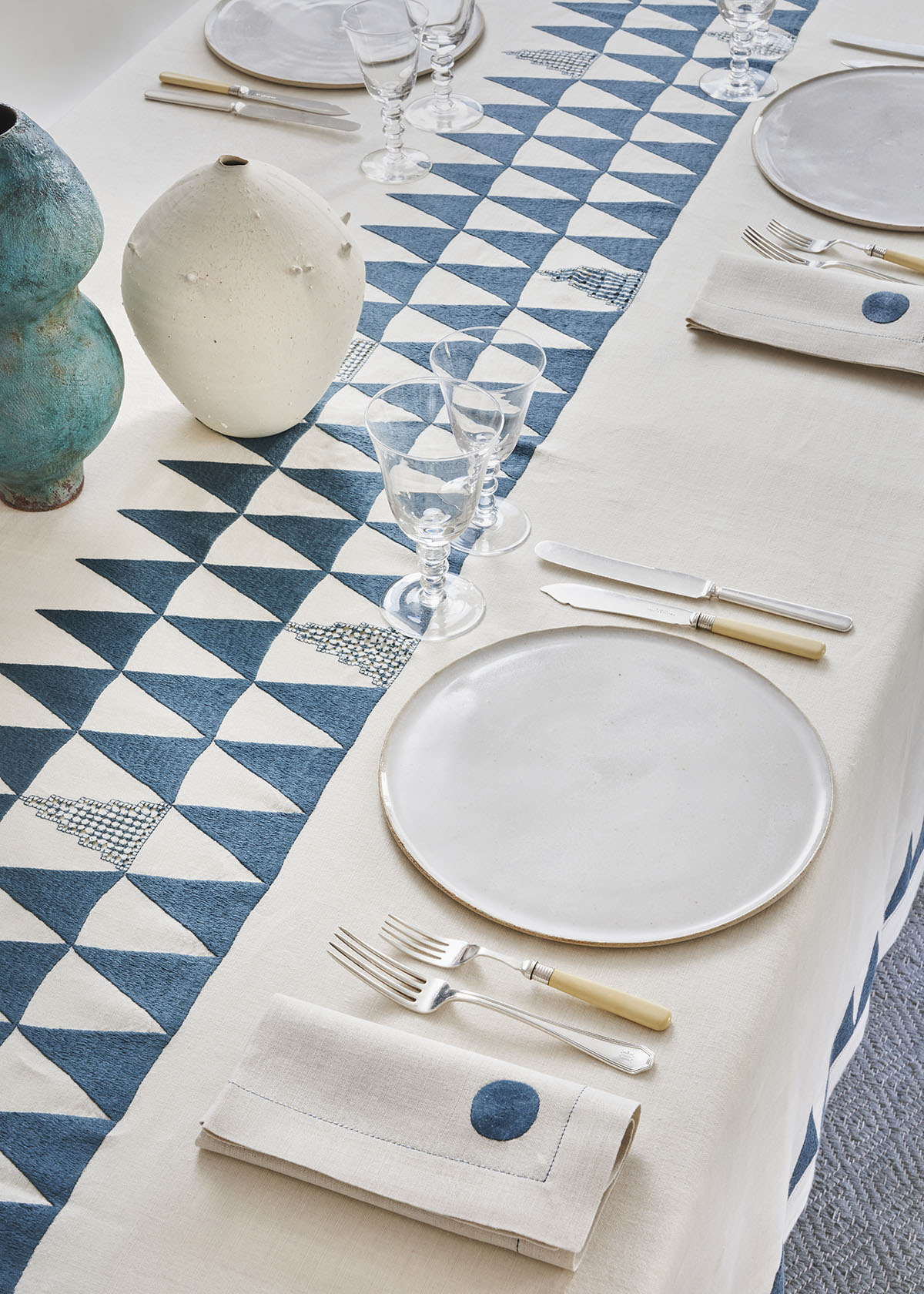
The combination of the design, functionality and beauty of the objects that are part of our cultural heritage goes far beyond a mere contrast with the fine arts. The commitment to quality in handcraftsmanship, care in the choice and treatment of the materials and their subsequent inevitable presence in the day-to-day lives of several generations make Spain’s crafts an essential part of the identity we share.
Recognising, valuing and protecting the traditional trades
Recognising, valuing and protecting the traditional trades is essential to ensure that the knowledge and dedication needed to perform them survive from generation to generation.
We should all celebrate the artistic richness of these objects as symbols of our best tradition: from private consumers to the major luxury brands that outsource some of their items to these small ateliers.
Spain has experienced a resurgence in crafts in recent years
Spain has experienced a resurgence in crafts in recent years. While until quite recently crafts were identified with souvenirs, handicrafts and hippie markets, today the concept of craft is in fashion. This is positive on the one hand, yet dangerous on the other. Not everything qualifies as craft. Not all crafts are high quality just because they are handmade…
These days there’s lots of talk about crafts: fine crafts, contemporary crafts, artistic crafts…
This is all well and good; it’s a matter of nuances and perspectives. However, what is clear is that updates are always positive as long as we don’t lose sight of the origin, of the traditional trades, of the masters who still carry on ancient techniques.
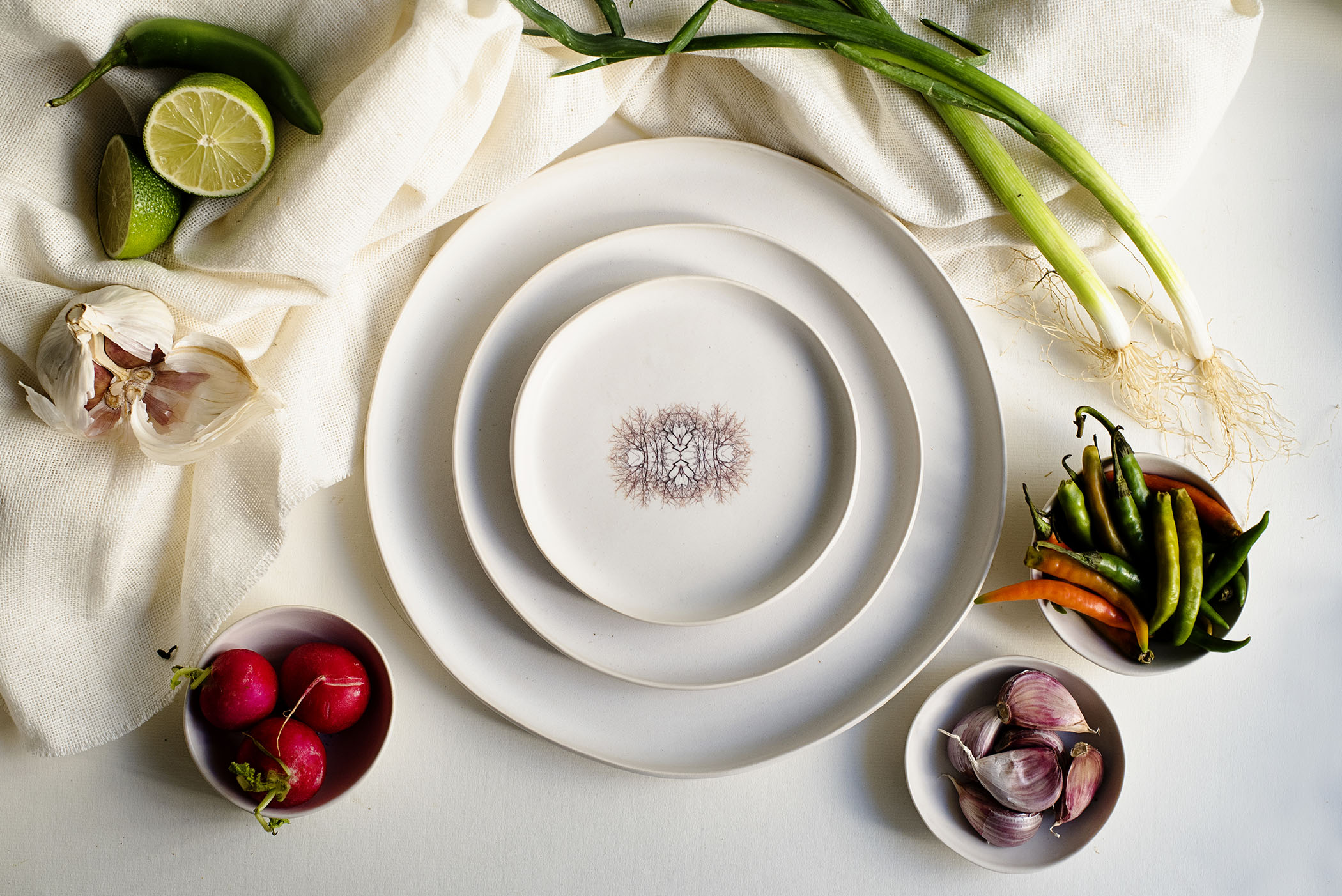
My focus is on collaborations that merge past and present, that combine new designs with traditional trades. Yet I also believe it is essential to value and respect traditional designs, as they are icons in themselves.