1. CRAFTSMANSHIP

La artesanía es la actividad de creación, producción o elaboración de objetos a mano, con poca o ninguna intervención de maquinaria, utilizando técnicas tradicionales. Estos objetos suelen tener un valor cultural, artístico y funcional, reflejando la identidad de una comunidad o región.
Las artesanías pueden estar hechas de diversos materiales como barro, madera, tela, metal, vidrio, cuero, entre otros.
A diferencia de la producción industrial, la artesanía se caracteriza por su creatividad, la personalización de cada pieza y el uso de conocimientos transmitidos de generación en generación.
2. AUTHENTICITY

Authenticity ultimately speaks about people. Something is authentic if it is true and genuine, if it can be connected to a particular person, place, and time, each of which reflects historical, artistic, and social values.
3. TALENT

Talent, as the ability to perform or carry out an activity, is associated with innate skill and creativity. In the field of crafts, talent requires practical and theoretical knowledge of materials, techniques, accepted standards, and the rules of the trade and their application. It also implies preparation, a deep understanding of the skill, and ease in its execution.
4.CREATIVITY
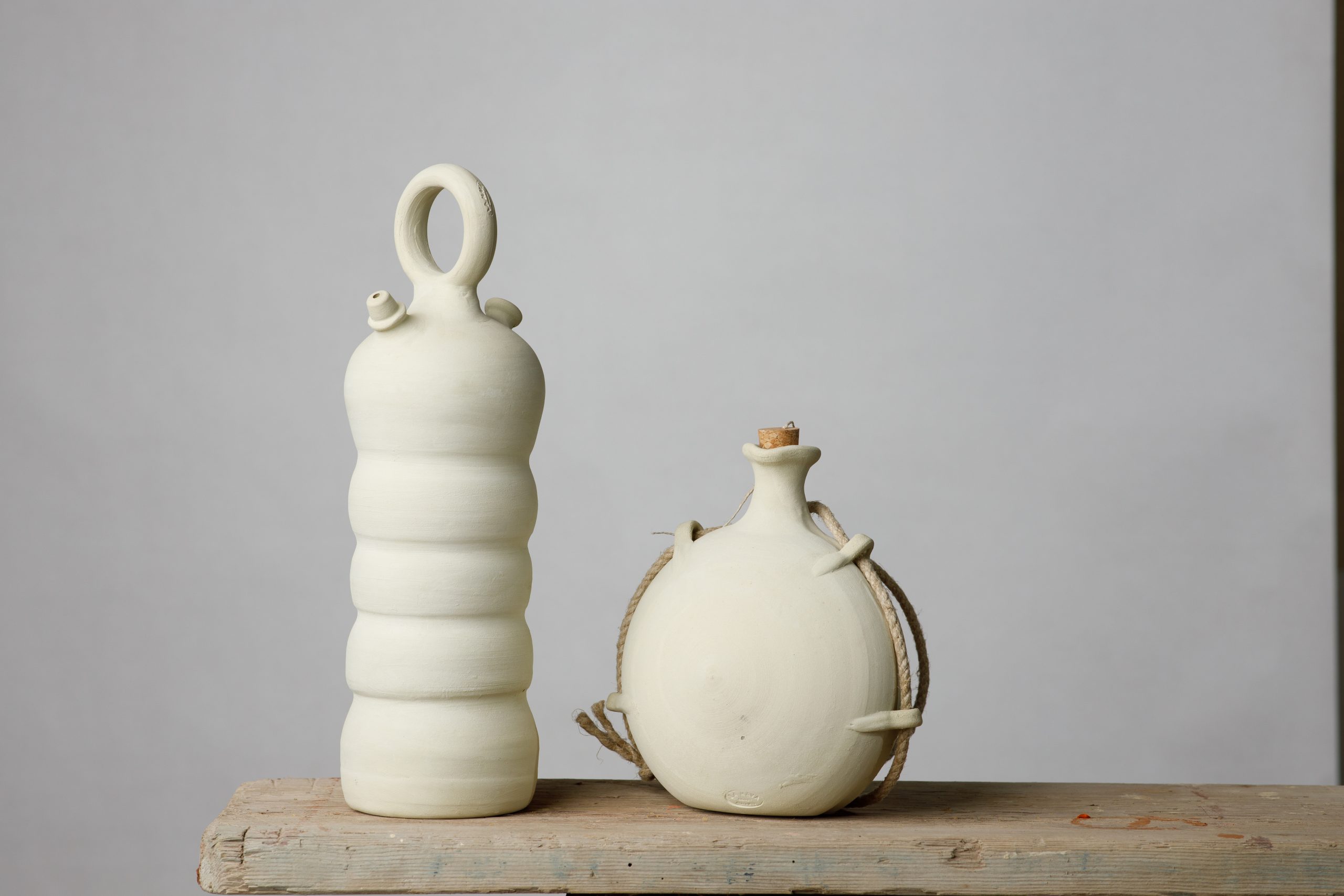
It is the ability to generate new ideas or concepts. In crafts, it is a dynamic force, a blend of personal vision, passion, and perfect skill, capable of balancing functional and material limitations with invention, expanding the rules of art to satisfy the imagination and respond to contemporary needs and tastes.
.
5. INNOVATION

Innovation, the ability to change something pre-existing by adding new elements, is often associated with new technologies and frequently positioned in contrast to tradition. However, it is tradition that keeps it alive and guides it toward the future.
The crucial dialogue between innovation and craftsmanship produces new and original materials, tools, forms, styles, functions, and aesthetics to respond to evolving tastes, markets, costs, and changing values.
6. INTERPRETATION

It is the art of transforming an idea into a product. In the process, the interpreter acts as a translator or mediator, drawing on a broad knowledge base to shape one reality into another.
7. ORIGINALITY

Originality is a delicate balance between the old and the new, the demand for innovative ways of applying centuries-old techniques to create something fresh and unique.
8. TERRITORY

The word territory encompasses a rich mix of ideas that link an object to its creator and to the geophysical and social environment. It is the source of raw materials and the home of a community of people who transform local natural and cultural resources into beautiful objects.
9. TRADITION
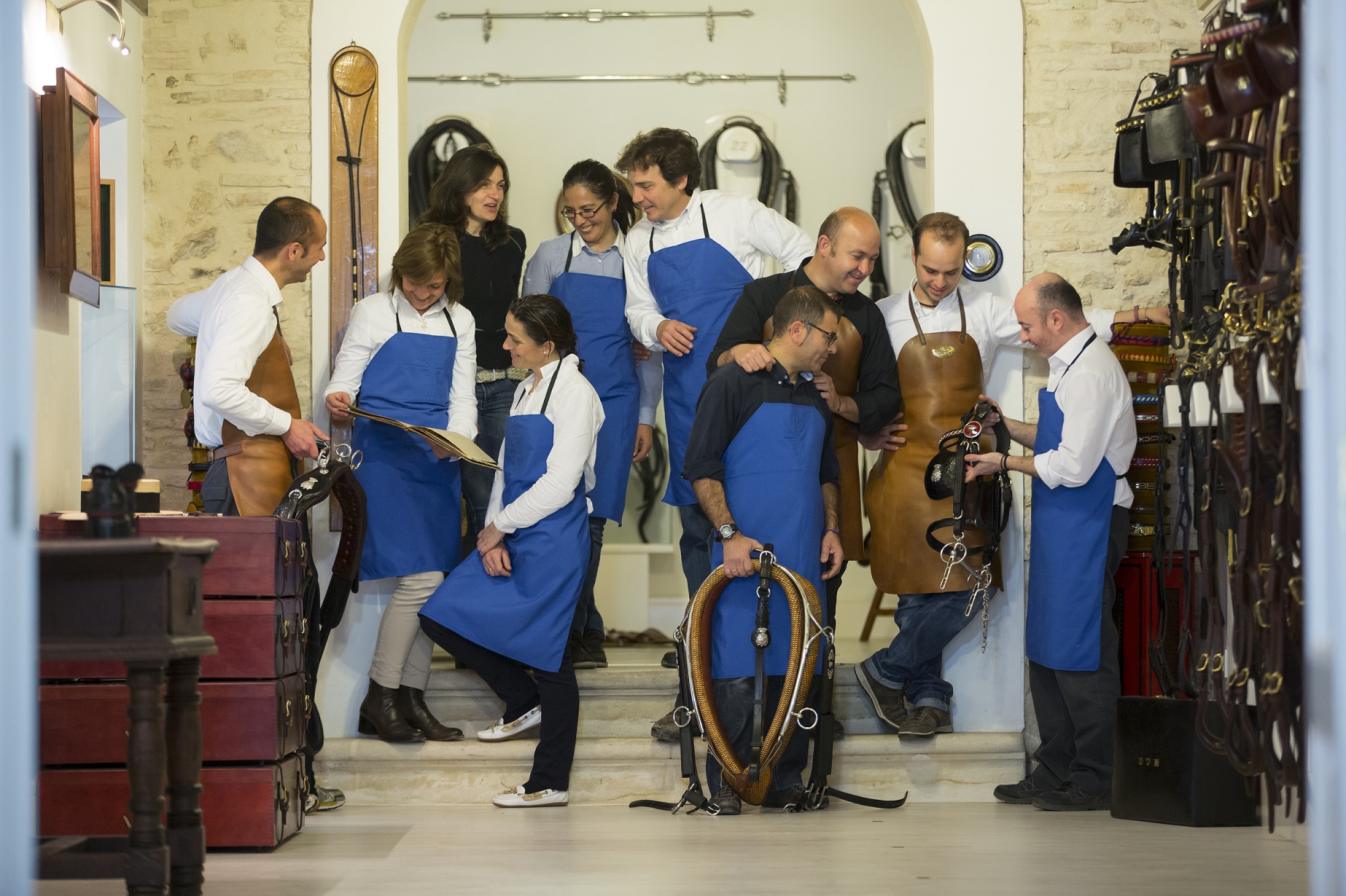
Although the word tradition may evoke ideas of the past, it actually describes the dynamic and constant renewal of accumulated knowledge. Passed down from generation to generation, closely protected and developed within the intimacy of workshops, families, or small businesses, it is communicated but never standardized. Tradition in crafts describes the transmission and evolution of complex knowledge and the continuity of the professional legacy.
10. TRAINING

Training goes beyond the knowledge of a particular craft; it encompasses the human art of teaching, inspiring, and developing future artisans. Mastery involves the ability to recognize the potential in aspiring artisans and to foster and nurture this knowledge. Among other things, it requires: knowledge of a sector, its history, and context; knowledge of all the traditional tools and new technologies associated with it; maturity for collaboration and teamwork; creating a practical and productive workspace; continuous learning and updating of knowledge bases.

